Thomas Tuchel’s tactical blueprint for the World Cup begins to take shape as Jude Bellingham takes the iconic No 10 shirt amidst a series of intriguing reveals.
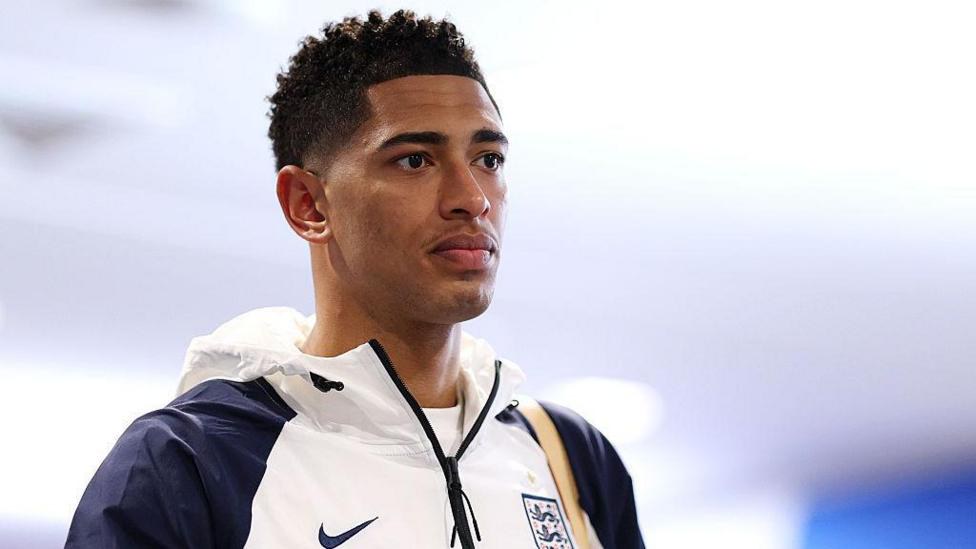
In the coded language of international football, squad numbers are often the first real indicator of a manager's tactical intent. As Thomas Tuchel prepares to lead England into the World Cup, the release of the official squad numbers has provided a fascinating window into the German’s thinking. The headline news is the assignment of the prestigious number 10 shirt to Jude Bellingham. While the Real Madrid superstar has faced questions regarding his specific fit in Tuchel's high-pressing system, the decision to hand him the playmaker's digit suggests he remains the undisputed focal point of this team’s creative engine.
Bellingham previously carried the number 10 responsibilities for his country during the 2024 European Championship. That tournament saw him alternate between a deep-lying role and an advanced attacking position, often carrying the burden of the team's offensive transitions. By reclaiming the shirt for the World Cup, the message from the coaching staff is clear: Bellingham is the man expected to unlock tight defenses. This decision places him firmly ahead of Aston Villa’s Morgan Rogers in the pecking order, with the latter taking the number 17 despite a breakout season in the West Midlands.
Tuchel’s Left-Back Solution: The Nico O'Reilly Signal
One of the most debated positions in the England camp has been the left-back slot, traditionally a source of injury concerns and tactical experimentation. The decision to award Manchester City’s Nico O'Reilly the number 3 shirt is a seismic statement. It reinforces the growing consensus that Tuchel views the youngster as his primary choice on the left flank. O'Reilly possesses the technical composure and recovery pace that Tuchel demands from his wing-backs, and taking a starting-XI number indicates he has won the trust of the management during the intensive pre-tournament camps.
This leave Newcastle United’s veteran Dan Burn with the number 15. While Burn’s versatility and aerial prowess make him an invaluable asset in a tournament environment, his squad number suggests he will serve as a high-level rotational option or a tactical pivot for specific matchups. Tuchel’s preference for O'Reilly points toward a desire for a more traditional, overlapping presence on the left to balance the inverted movements of the attacking forwards. It is a bold move to trust a relative newcomer with such a vital defensive responsibility on the world stage.
The Midfield Evolution: Elliott Anderson and the 8
The midfield hierarchy has undergone a significant shift under Tuchel’s watch, most notably with the emergence of Nottingham Forest’s Elliott Anderson. His transition from a promising prospect to a central pillar of the England engine room has been cemented by the award of the number 8 shirt. This is a jersey steeped in history, previously worn by some of the nation's greatest box-to-box generals. Anderson’s ability to drive forward with the ball and his relentless energy in the press have made him an ideal fit for the aggressive tactical profile Tuchel is implementing.
Interestingly, this has forced a change for Jordan Henderson. The Brentford midfielder, who has long been a vocal leader within the squad, will return to the number 14 he wore with distinction during his trophy-laden years at Liverpool. While some might view the loss of the number 8 as a sign of waning influence, it is more likely a pragmatic acknowledgement of the different roles the two players will play. Henderson remains the experienced head needed to close out matches, while Anderson represents the future of a more dynamic, vertically-oriented England midfield.
Defensive Pillars: Stones and Guehi’s Partnership
At the heart of the defense, the squad numbers offer a sense of continuity and stability. Manchester City’s John Stones and Crystal Palace’s Marc Guehi have been assigned numbers 5 and 6 respectively. In the traditional lexicon of the game, these are the starting center-half digits, and their assignment suggests that Tuchel has settled on this pairing as his first-choice defensive wall. Stones provides the ball-playing composure from the back, while Guehi has matured into a disciplined and physically imposing stopper who complements Stones’ style perfectly.
Maintaining this partnership will be crucial for England’s hopes of a deep run in the tournament. Tuchel’s systems often rely on the center-backs being comfortable defending in large spaces, and both Stones and Guehi have shown the necessary mobility to handle high-line situations. The lack of experimentation in these specific numbers suggests that barring injury, this is the foundation upon which Tuchel will build his defensive structure. It provides a level of clarity that will be welcomed by a squad often criticized for defensive lapses under pressure.
The Forward Line Puzzle: Rashford’s Resurgence
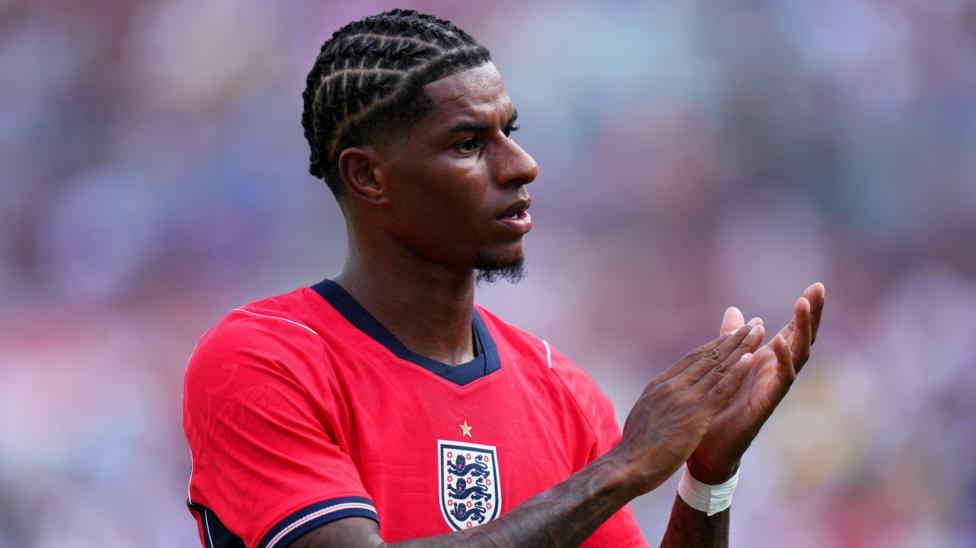
The attacking third remains the most competitive area of the pitch, but Marcus Rashford’s assignment of the number 11 shirt provides a strong hint about the starting lineup. After a season spent adapting to life at Barcelona, Rashford appears to have done enough to earn a starting spot on the left wing. His explosive pace and clinical finishing are traits Tuchel has historically favored in his wide players. By taking the 11, Rashford seems to have edged out Barcelona’s newest recruit, Anthony Gordon, who will wear number 18.
This battle for the left wing is emblematic of the depth at Tuchel’s disposal. Gordon’s work rate and directness have made him a fan favorite, but Rashford’s experience on the international stage and his recent tactical refinement in Spain give him the upper hand. The distribution of these numbers suggests a forward line that will prioritize speed and directness, looking to exploit the spaces left by teams attempting to press England high up the pitch. It is an intimidating selection of talent that will keep opposing managers awake at night.
The Right-Back Anomaly: Reece James and Tradition
Despite the rigid logic applied to most of the squad numbers, there is one notable deviation. Reece James, widely expected to be the first-choice right-back, will continue to wear the number 24. This mirrors the number he carries at Chelsea and reflects a modern trend of players maintaining a personal brand or connection to a specific digit regardless of their position in the hierarchy. In James' case, the number is less about his place on the bench and more about his status as a key veteran who is granted the autonomy to choose his shirt.
James’ fitness and form remain the single biggest variable in England’s tactical flexibility. His ability to function as a traditional right-back, a wing-back, or even a third center-back gives Tuchel a Swiss-army-knife option on the right side of the pitch. As the squad prepares to fly out for the tournament, these numbers serve as the first chapter in what England fans hope will be a historic campaign. The tactical puzzles are being solved, and the roles are being defined, one digit at a time. more football news on MATCHLINE